
Singapore LTA Related
Exhaust Laws Explained: Decibel Limits & Penalties in Singapore
Jun
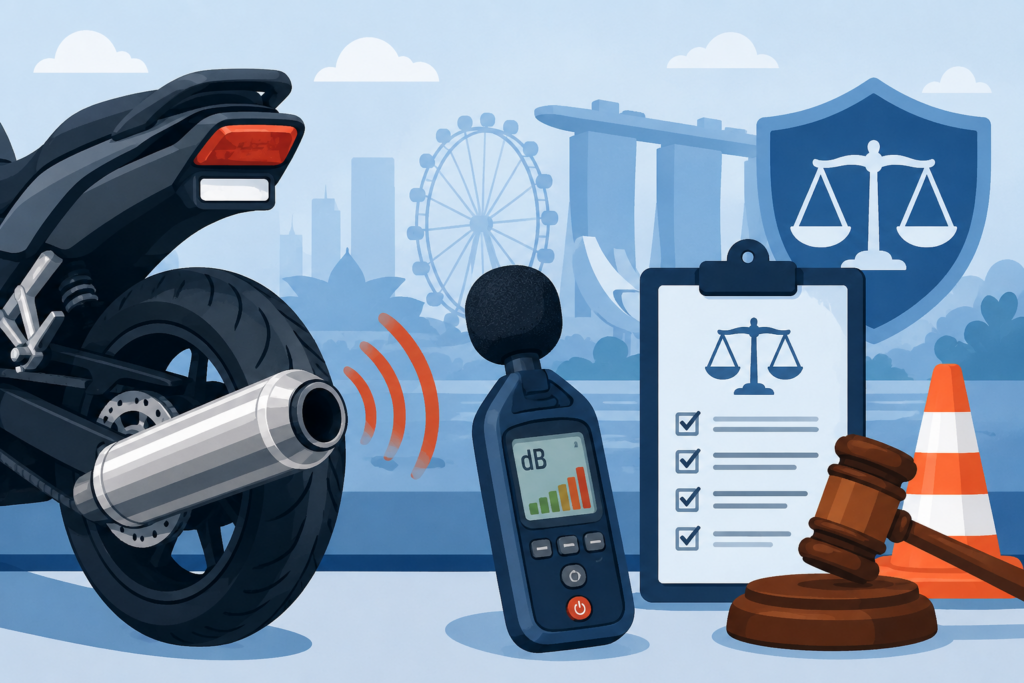
Exhaust Laws Explained: Ever had your peaceful evening shattered by a roaring motorcycle zipping down the street? Singapore’s roads are getting louder, and many drivers are asking where the line is drawn. That’s where exhaust laws explained comes into play. As stricter rules and penalties kick in for 2026, it’s more important than ever to know how decibel limits affect you and your vehicle.
This blog will break down what these regulations mean, why they matter, and the consequences for not following them. You’ll get the key facts on allowed noise levels, new enforcement measures, and the fines at stake. No confusing terms, just the details you need to stay compliant and avoid trouble. Let’s dig into the updated exhaust laws and what they could mean for drivers across Singapore.
Loud Exhaust Laws in Singapore 2026: What Every Driver Must Know
Exhaust Laws Explained: Singapore’s exhaust noise regulations are set to become even stricter by 2026, making it essential for every driver to understand the new rules and their implications. The city-state has always taken a tough stand on vehicle noise pollution, with enforcement now focused on both cars and motorcycles. Authorities measure a vehicle’s decibel output using calibrated sound level meters at authorized inspection centres or through roadside enforcement activities, helping to ensure vehicles stay within the permitted noise limits.
As of 2026, drivers must pay close attention to whether their exhaust systems meet the prescribed decibel limits for both motorcycles and cars. These legal noise thresholds are not negotiable: exceeding them can result in fines and other penalties. Modified exhaust parts—such as straight pipes, muffler deletes, or aftermarket systems—are particularly scrutinized. Only certified exhaust systems are permissible, and anything non-certified risks attracting the attention of enforcement officers.
Exhaust Laws Explained: The LTA’s regulations don’t just affect private cars. Motorcycle owners, commercial vehicle operators, and even collectors of classic or performance cars all face rules tailored to their vehicle type. While some exemptions exist, the law is very clear: if your vehicle’s exhaust sound exceeds the set decibel limit, you could receive a defect notice and face immediate inspection. Repeat violations come with stiffer fines and the possibility of having your vehicle deregistered.
Understanding and staying compliant with these exhaust rules is not just about avoiding penalties—it protects your right to drive in Singapore. Before you consider any modifications or aftermarket upgrades, always check LTA requirements and ensure your exhaust system is street legal. A careful approach will help you avoid costly fines and keep your vehicle on the road, making sure you are fully prepared for the stricter enforcement climate in 2026.
Quick Specs: Singapore Exhaust Decibel Limits & Testing Methods
| Vehicle Type | Legal Decibel Limit (dB) | Testing Method | Measurement Location |
|---|---|---|---|
| Car | Specified by LTA regulations* | Static sound test | Exhaust tip (Rear of vehicle) |
| Motorcycle | Specified by LTA regulations* | Static sound test | Exhaust tip (Side of vehicle) |
| Commercial Vehicle | Subject to LTA-approved limits* | Static sound test | Exhaust emission point |
Exhaust Laws Explained: As of 2026, Singapore maintains strict exhaust noise limits enforced by the Land Transport Authority. Both cars and motorcycles must meet approved decibel thresholds, with limits determined by the specific vehicle classification and referenced in LTA regulations. For all vehicle types (including commercial vehicles), LTA’s static sound test is the official method used to measure exhaust noise.
The test is performed at the exhaust tip—either at the rear or the side of the vehicle, depending on its configuration. This ensures that readings accurately reflect the actual noise output in real-world operation. Police and LTA officers use this method consistently when inspecting vehicles suspected of exceeding exhaust noise regulations.
When planning exhaust modifications, it’s crucial for Singapore motorists to check the latest LTA-approved decibel limits for their vehicle type. Upgrading to a compliant aftermarket exhaust, or fitting silencers and baffles if recommended, helps you avoid costly fines and maintain LTA approval. Being aware of the official testing methods and legal requirements will keep your vehicle roadworthy and street-legal for Singapore’s 2026 transport environment.
Modified Exhaust Systems: Legality and Certification in 2026
Exhaust Laws Explained: In Singapore, car and motorcycle enthusiasts often look to modify their exhaust systems for enhanced performance or a sportier sound. Common modifications include straight pipes, muffler and resonator deletes, and installing a variety of aftermarket exhaust systems. However, it’s crucial for vehicle owners to understand that not all exhaust modifications are considered legal under local regulations.
The Land Transport Authority (LTA) maintains strict guidelines for exhaust systems, particularly focusing on noise levels and emissions. Only LTA-certified exhaust systems are permitted for use on public roads. Any system—whether it’s a replacement or modification—must undergo evaluation to ensure it complies with Singapore’s legal decibel limits and safety standards. Non-certified setups such as direct straight pipes or unapproved muffler deletes are prohibited, with owners risking heavy fines and mandatory inspections if caught during roadside checks.
Exhaust Laws Explained: To legally modify your exhaust, the process involves choosing a product that already holds LTA certification or applying for certification before installation. The approval process requires the submission of supporting documents such as product specifications, test reports, and certification papers from the manufacturer. Once the paperwork is filed, inspections are conducted to verify compliance with local exhaust noise and emissions standards. Only after official approval can the modified exhaust be used on Singapore roads without issue.
Many local workshops specialise in installing compliant aftermarket systems and can assist with the necessary paperwork and LTA submissions. As LTA regulations evolve, especially nearing 2026, staying up to date with approved modifications is essential to avoid penalties. By ensuring your chosen exhaust system is certified and following the proper approval process, you can enjoy customised vehicle sound while remaining fully street legal in Singapore.
Comparing Singapore vs. Other Countries: Exhaust Laws at a Glance
Exhaust Laws Explained: When it comes to exhaust noise regulations, Singapore’s approach is recognised as one of the strictest in the region, especially compared to neighbouring countries like Malaysia or faraway Australia. In Singapore, the legal decibel limits for both motorcycles and cars are clearly defined and strictly enforced by LTA-approved standards. Police officers or LTA inspectors use calibrated sound level meters to conduct on-the-spot checks, ensuring readings do not exceed local thresholds. This level of scrutiny reflects Singapore’s ongoing efforts to maintain a quiet urban environment and minimise noise pollution for residents.
| Country | Legal Decibel Limit | Measuring Method | Typical Penalties |
|---|---|---|---|
| Singapore | Strict LTA-defined dB limit | Police/LTA sound meter | Fines, inspections, defect notices |
| Malaysia | Generally higher allowed dB | Occasional roadblock checks | Fines, occasional enforcement |
| Australia | Variable by state; typically 90-95 dB | Sound meter during vehicle inspection | Defect notices, fines |
These regulatory differences make it essential for vehicle owners importing cars or motorcycles to Singapore, or relocating here, to ensure their exhaust systems strictly comply with local standards. Popular aftermarket modifications—like straight pipes or muffler deletes—may be tolerated or even legal in other countries, but can lead to immediate fines or mandatory inspections in Singapore. Only certified exhaust systems that meet LTA standards are permitted, and failure to comply often results in defect notices, costly penalties, and repeat offender consequences.
For those considering upgrades or importing vehicles, always verify exhaust compliance with LTA regulations before proceeding. This careful approach helps avoid hassle at customs or during routine road checks and ensures your ride remains street-legal on Singapore’s roads.
Singapore Enforcement: Fines, Inspections & What Happens If You’re Caught
Exhaust Laws Explained: Singapore enforces strict exhaust noise limits through a robust system of penalties and inspections. If you are caught with a loud exhaust that exceeds the legal decibel limits, you will face substantial fines. For a first-time offence, vehicle owners are typically fined a standard amount, which serves as a deterrent for further violations. Repeat offences result in significantly higher fines and may be coupled with additional penalties, reflecting the authorities’ zero-tolerance stance on persistent non-compliance.
If the police or LTA enforcement officers suspect your vehicle’s exhaust is too loud, they are empowered to stop your vehicle for an on-the-spot inspection. Officers use specialised decibel meters to measure the exhaust noise output directly from your vehicle. Should your motorcycle, car, or commercial vehicle fail this test, you may be issued a defect notice requiring you to repair or replace the non-compliant exhaust within a stipulated period. During this time, you are generally expected to keep the vehicle off public roads until it passes a follow-up inspection.
Exhaust Laws Explained: In instances where the exhaust system is found to be excessively modified or poses a recurrent problem, authorities can escalate actions. This may include impounding your vehicle for a thorough inspection at an LTA facility, or even serving you a court summons for severe or repeated offences. Owners facing court action risk heavier fines and may even have their vehicles deregistered in extreme cases.
Singapore’s recent enforcement campaigns have placed increased emphasis on public education and surprise roadblocks, especially in areas with high numbers of modified vehicles. These operations reassure compliant drivers while reminding all motorists of the importance of using certified exhaust systems that meet current legal standards. Staying within exhaust noise limits not only avoids penalties but also maintains good standing with the authorities, aiding a hassle-free driving experience.
How to Stay Street Legal: Aftermarket Exhausts & LTA Compliance Tips
Exhaust Laws Explained: If you’re thinking about upgrading your vehicle’s exhaust in Singapore, ensuring you remain street legal is essential to avoid fines and inspection headaches. The Land Transport Authority (LTA) strictly enforces noise limits, so opt for certified aftermarket exhausts that meet Singapore’s decibel regulations. Always check that any potential replacement has been tested and carries certification of compliance; using uncertified straight pipes, muffler deletes, or custom setups can lead to issues during routine checks or if you’re stopped by enforcement authorities.
Many LTA-compliant aftermarket exhausts come with removable silencers or baffles. Installing these helps keep sound emissions within legal limits while still allowing a tunable performance note. If your exhaust is adjustable, always ensure the silencer is fitted before hitting Singapore roads, particularly when you know there may be patrols or checkpoints near PCN paths or residential HDB zones where complaints rise quickest. Keeping your vehicle’s sound output within prescribed decibel ranges not only keeps you legal but also neighbour-friendly.
Exhaust Laws Explained: Before making any modification, always research the LTA’s latest requirements. All significant modifications, including to the exhaust, must be approved via the LTA inspection and permit process. This involves submitting the technical details of your planned exhaust system and, upon installation, bringing your vehicle for inspection at an authorised centre. Only after passing the noise and emission criteria—and receiving a permit—should you use the modded exhaust on public roads.
To avoid unnecessary penalties, conduct a simple self-test using a handheld decibel meter app or device before inspection. Park in an open area and measure sound levels at various RPMs; compare these to legal limits outlined by the LTA. Taking these steps demonstrates responsible ownership and protects you from fines, defect notices, and repeat-offender sanctions. Ultimately, staying informed and compliant ensures your new exhaust brings joy on Singapore roads without any legal trouble.
Frequently Asked Questions
What is the maximum allowed exhaust noise level in Singapore?
In Singapore, the legal decibel limit for exhaust noise varies depending on your vehicle type. Generally, both motorcycles and cars must comply with specific maximum noise levels set by the authorities. Exceeding these limits can result in fines and mandatory inspections.
How can I check if my aftermarket exhaust is LTA approved?
To ensure your aftermarket exhaust is LTA approved, you should look for certification or documentation from the manufacturer indicating compliance with Singapore’s regulations. When in doubt, consult LTA’s guidelines or approach an authorised workshop to verify before installation, as non-compliant systems can lead to penalties.
Are there exemptions for classic or performance vehicles?
Certain exemptions do apply for classic cars and performance vehicles in Singapore. Such vehicles may be granted special permissions, but still need to satisfy safety and inspection requirements set by the authorities. Always check the latest LTA guidelines to confirm if your vehicle qualifies for these exemptions.
What are the consequences of repeated violations?
Repeated violations of exhaust noise laws in Singapore can result in escalating penalties. Fines may increase with each offence, and your vehicle could be subjected to more frequent inspections or even a defect notice, potentially making it illegal to use until rectified.
Are motorcycles and cars subject to different rules?
Yes, motorcycles and cars in Singapore are regulated under different exhaust noise standards. The specific decibel threshold and enforcement procedures can vary between these vehicle types, so it’s important to consult the rules relevant to your vehicle when considering exhaust modifications.
Should You Upgrade Your Exhaust in Singapore? Our Verdict & Next Steps
Exhaust Laws Explained: Deciding whether to upgrade your exhaust system in Singapore isn’t just about performance or aesthetics—it’s about navigating a complex web of legal responsibilities. With strict noise and decibel regulations enforced by authorities such as the Land Transport Authority (LTA), any exhaust modification must comply with the prescribed legal limits for both motorcycles and cars. Failure to observe these limits can result in immediate vehicle inspections, the issuance of defect notices, or even fines, especially if your exhaust exceeds the maximum permissible decibel threshold or you have fitted uncertified parts.
If you’re considering modifications like straight pipes, muffler deletes, or aftermarket resonators, it’s critical to differentiate between certified and non-certified systems. Only certified exhaust systems ensure compliance, while non-compliant modifications—even those designed for performance—can draw unwanted attention during police roadside checks, where noise levels are measured using decibel meters. Repeat offences elevate risks, with harsher penalties possible for those found flaunting the rules multiple times.
Exhaust Laws Explained: To stay compliant and avoid unnecessary legal trouble, always research and confirm the latest LTA requirements before making changes. Opt for exhausts that have been officially certified for use on local roads, and consider installing silencers or baffles when possible to keep within prescribed noise levels. For those with unique vehicle types—such as classic cars or commercial vehicles—be aware that specific exemptions or additional regulations may apply, so careful attention to your vehicle’s category is warranted.
Our final advice: Engage only with reputable, LTA-recognised workshops and consult them about available compliant options. Take time to check your system’s certification documents before and after installation, and never rely on verbal assurances alone. Singapore’s exhaust laws focus on public safety and noise control, so acting responsibly protects both your wallet and your driving record while ensuring you’re always ready for a spot check or inspection.
We at Speedzone specialize in offering top-quality servicing for a variety of premium motorcycle brands. Whether you ride a Yamaha, Honda, KTM, Suzuki, Kawasaki, SYM, Aprilia, Piaggio, or Mutt Motorcycle, you can trust us to keep your ride running smoothly.
Book Your Service Today
Ready to give your motorcycle the care it deserves? Or just curious to know more? With our premium motorcycle accessories available catering to every motorbike models. Book your motorcycle servicing with us or drop by our showroom today and experience the difference of expert servicing tailored to your brand and friendly staffs!
