
Yamaha Motorcycle, Honda Motorcycle, Yamaha vs Honda
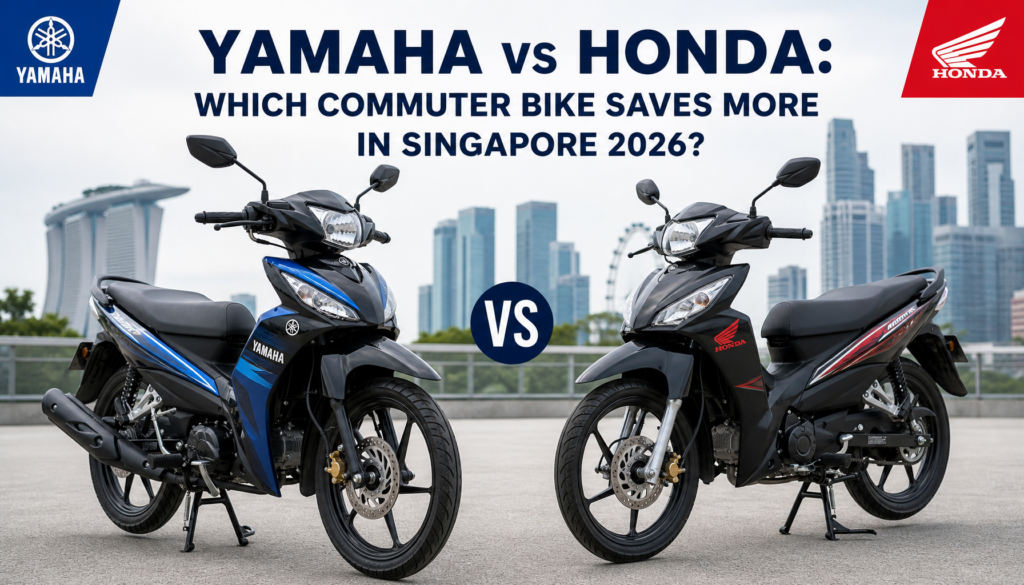
Yamaha vs Honda: Which Commuter Bike Saves More in Singapore 2026?
Jun
Yamaha vs Honda: Caught in traffic on the PIE or struggling to find a parking spot at Bugis, many Singaporeans crave a commuter bike that not only zips through jams but also saves money. The big debate right now: Yamaha vs Honda. Which commuter bike saves more in Singapore 2026? Before shelling out hard-earned dollars, it’s smart to weigh your options.
This post breaks down fuel efficiency, maintenance, and everyday running costs. We’ll look at how each brand stacks up for city use. And we’ll share practical points that matter for life on our island roads. Whether you’re a seasoned bike owner or thinking of buying your first ride, you’ll get a clear picture of which bike might lighten your spend. Let’s dive in to find out which two-wheeler really stretches your dollar farther.
Yamaha vs Honda: The Ultimate Commuter Bike Showdown for Singapore
Yamaha vs Honda: With higher fuel prices and evolving transport regulations, choosing the right commuter bike has become essential for Singapore riders. The Yamaha vs Honda debate isn’t just about brands—it’s about daily savings, hassle-free ownership, and a smoother urban commute, all of which matter even more in 2026. Singapore’s dense traffic and reliance on public transport alternatives make it vital to have a commuter motorcycle that’s reliable, efficient, and comfortable, especially for long HDB–to–CBD rides or daily trips along PCN paths.
This article will guide you through a thorough comparison of the two brands, focusing on factors that truly impact local riders: fuel efficiency (daily pump costs), maintenance hassle, comfort for Singapore’s start-stop traffic, and total ownership value—including how easy it is to get your bike serviced with the local dealer network. The choice between Yamaha and Honda affects not just your wallet but also your daily experience, from dealing with rising petrol prices to making sure your ride meets LTA and HDB storage requirements. By understanding the details for 2026, you can make a smarter investment and enjoy stress-free commuting throughout Singapore.
As more Singaporeans look for alternatives to crowded MRTs and buses, the Yamaha vs Honda decision becomes a smart, futureproof move for urban mobility. Whether your priority is cutting daily fuel costs or enjoying a zippy ride to work, this showdown will help you find the best fit—so you get the most out of your bike in our unique city setting.
Quick Specs: Yamaha vs Honda Commuter Bikes at a Glance
| Feature | Honda (Commuter Class) | Yamaha (Commuter Class) |
|---|---|---|
| Fuel Efficiency (L/100km) | ~5–10% better than Yamaha Ideal for long city commutes | Good, but uses slightly more fuel Still efficient for urban rides |
| Engine Size (Typical Range) | Varies by model, tuned for smoothness & city traffic | Similar displacement range, tuned for sporty response |
| Resale Value | Strong resale, supported by large dealer network | Some models do well, especially among enthusiasts |
| Maintenance Intervals | Longer intervals, simpler routine checks | Cheaper parts, but may need more frequent servicing |
| Traffic Performance (SG Conditions) | Smoother and less tiring in heavy stop-go traffic | Sportier, more engaging—feels quick but less relaxing daily |
Yamaha vs Honda: For Singapore riders choosing between Yamaha vs Honda for their daily commute, this quick specs table highlights the practical differences. Honda stands out with its better fuel economy—typically 5–10% more efficient in real-world city riding, which means noticeable cost savings as pump prices fluctuate. If you’re facing daily jam-packed streets or stretching your dollar with CDC vouchers, the advantage is clear.
Yamaha vs Honda: Maintenance-wise, Honda offers stress-free ownership with longer service intervals, while Yamaha impresses with lower part costs and a sportier overall experience. Commuters wanting pure comfort and easy handling—especially through Singapore’s peak-hour PCN paths and city jams—will find Honda an effortless choice. If your commute doubles as your chance for excitement, Yamaha brings more engaging performance to the table.
Regardless of your preference, both Yamaha and Honda present reliable, value-packed options that align well with Singaporean urban lifestyles and LTA regulations. This swift comparison should help you focus on the features that matter most for your routine and budget.
Breaking Down Daily Costs: Fuel Efficiency and Long-Term Savings
Yamaha vs Honda: When looking at Yamaha vs Honda for daily commuting in Singapore, fuel efficiency emerges as a crucial deciding factor—especially with the current cost of petrol. A standout advantage for Honda is its 5–10% better fuel economy compared to similar class Yamaha bikes. For everyday riders covering long distances or even short but regular commutes, this seemingly small percentage quickly adds up, thanks to Singapore’s relatively high fuel prices and the common need for practical, cost-conscious transportation.
Let’s break this down for a typical Singaporean scenario. If an average commute involves 40 km a day, and with fluctuating fuel prices above S$2.50 per litre, saving just 5–10% on fuel could mean putting aside more money each month. Over a year, these daily savings can translate to hundreds of dollars—substantial for a commuter balancing costs for HDB living, ERP charges, and regular bike servicing. This makes the Honda not just a smarter economic choice, but also aligns well with the local tendency to value long-term savings and efficient transport.
Yamaha vs Honda: For riders using their bike as a main mode of transport on Singapore’s roads, choosing a more fuel-efficient brand can be especially wise given increasing awareness of rising petrol prices and stricter budgeting due to everyday expenses. With Honda’s reputation for better mileage, you’ll also be less stressed when topping up at the pump—a subtle but powerful benefit when planning your monthly budget or using CDC vouchers for transport-related costs.
In summary, when calculating total yearly savings, Honda’s 5–10% fuel efficiency lead over Yamaha can make a meaningful difference to your wallet. If saving on daily transport costs is a top priority, opting for a Honda isn’t just about reliability or comfort—it’s a practical, Singapore-savvy financial decision that pays dividends over time while keeping your commute smooth and stress-free.
Comfort or Sporty Thrills: Which Brand Makes Daily Commuting Easier?
Yamaha vs Honda: When weighing Yamaha vs Honda for daily commuting in Singapore, comfort and ride feel can make all the difference. Honda leans towards a comfort-oriented design, prioritising smoothness and beginner-friendly ergonomics. This means that, whether you’re weaving through morning CBD congestion or tackling quick rides between HDB neighbourhoods, you’ll likely experience less fatigue on a Honda. The predictable power delivery and relaxed seating position translate into less physical strain during stop-go traffic—something many city riders value after long hours on the road.
Yamaha, on the other hand, offers a more sporty and responsive ride. The throttle response is faster and the handling feels agile—appealing for riders who crave some excitement on their daily journeys. However, this same agility can make the bike feel “twitchy” in constant stop-and-go situations typical of Singapore’s urban commute. While the sporty sensation is thrilling on clear stretches or even on a brisk PIE ride, it may not provide the same sense of ease for beginners or those desiring maximum comfort on longer daily routes.
Yamaha vs Honda: Importantly, ease of control and reduced exhaustion become crucial for Singaporeans managing frequent short hops, shared PCN paths, or multi-modal commutes. Honda’s user-friendly controls and softer ride make it a strong match for these routines, especially when paired with less experienced riders or those more concerned with daily convenience than sportiness. Fatigue is often overlooked, but with our local weather and urban density, an easier ride translates to safer, happier travel.
For city commuting, especially under LTA regulations and Singapore’s unique traffic patterns, Honda stands out as the sensible choice. If your priority leans towards enjoying some extra zest every ride, Yamaha’s spirited handling may appeal. Ultimately, consider what matters most day-to-day—ease and comfort, or sporty excitement—to choose your winner in the Yamaha vs Honda debate.
Reliability, Maintenance, and Ownership Value: Honda vs Yamaha Over the Years
Yamaha vs Honda: When it comes to reliability and maintenance in the Yamaha vs Honda commuter bike debate, both brands have proven themselves to be robust choices on Singapore’s busy roads. According to long-standing owner feedback and maintenance records, both Yamaha and Honda enjoy extremely low failure rates of around 11–12%. This predictable dependability means you can confidently navigate city traffic or the PCN without worrying about frequent breakdowns.
However, a deeper look at upkeep and ownership value reveals some important differences. Honda motorcycles generally feature longer service intervals and simpler, more straightforward upkeep routines. For the everyday commuter, this means fewer trips to the workshop and less stress over maintaining your ride—particularly advantageous if you’re clocking high mileage or seeking the lowest total cost of ownership. In contrast, Yamaha is known for slightly cheaper parts, which might reduce your per-service spend but tend to require more frequent adjustments. If you prefer to keep your maintenance budget predictable or aim to minimise time off the road, Honda’s approach can be more appealing.
Yamaha vs Honda: Another vital consideration for Singapore riders is the ease of servicing and resale value. Thanks to Honda’s wider dealer and workshop network throughout Singapore, it’s typically easier and faster to book regular servicing or source replacement parts, even in heartland areas near major HDB estates. This network strength often translates into higher resale values for Honda bikes, a key point when you’re planning for eventual upgrades or COE expiry. Yamaha, on the other hand, enjoys strong demand among local enthusiasts for certain models, which can support good resale prices in niche segments, though not as consistently as Honda’s broader range.
If you’re weighing Yamaha vs Honda for your next commuter bike, consider your priorities: Honda delivers lower stress ownership and strong resale value, while Yamaha offers marginally cheaper upkeep—but may require more attention over time. For Singapore riders focused on value, ease, and long-term reliability, Honda’s track record stands out.
Singapore-Specific Concerns: LTA Regulations, HDB Parking & Dealer Support
Yamaha vs Honda: When comparing Yamaha vs Honda for Singapore’s daily commute, unique local regulations and ownership factors play a crucial role. First, every motorcycle must conform to LTA (Land Transport Authority) regulations. Both Honda and Yamaha regularly update their commuter bikes to ensure they meet LTA’s emission and safety standards. Buyers can confidently choose either brand knowing their models are eligible for registration and road use in Singapore.
Many HDB-dwelling Singaporeans worry about bike parking. Rest assured, both Yamaha and Honda commuter bikes fall within the permissible categories for standard HDB motorcycle parking—you’ll face no issues finding a legal spot under HDB blocks. This convenience is often a deciding factor for urban riders who rely on secure, sheltered parking solutions close to home.
Yamaha vs Honda: After-sales support and ease of servicing are also top concerns locally. Honda’s advantage is a broader authorised dealer network in Singapore, making it easy to find a certified workshop for regular servicing or urgent repairs. This translates to shorter waiting times for maintenance and easier access to genuine parts. Yamaha, on the other hand, is also well-supported but may offer slightly cheaper parts in some cases, appealing to cost-conscious riders.
A final Singapore-specific consideration is resale value and dealer trade-in. Honda generally commands better resale value thanks to its reputation for reliability and widespread service network. This means lower long-term cost of ownership if you plan to upgrade or sell later. Yamaha, while popular among enthusiasts for its performance models, can also fetch good prices but might require a more specialised buyer.
Factoring in all these uniquely Singapore concerns—LTA compliance, HDB parking, after-sales support, and resale value—helps you make a smart, confident choice between Yamaha vs Honda for your daily commute. Consider what best fits your lifestyle and where you’ll get the smoothest overall ownership experience in Singapore.
Frequently Asked Questions
Which commuter bike is the most fuel efficient in Singapore?
Honda commuter bikes are generally more fuel efficient than Yamaha in similar classes, boasting about 5–10% better fuel economy. For Singaporeans concerned about daily travel costs or rising petrol prices, this advantage means lower running expenses over time. If you ride long routes or regularly commute to work, choosing Honda helps stretch your dollar further.
Are Honda or Yamaha bikes easier to maintain locally?
Both Honda and Yamaha machines are known for their reliability, featuring very low failure rates (around 11–12%). However, Honda bikes tend to offer longer service intervals and simpler maintenance, resulting in a lower-stress ownership experience for everyday riders. In contrast, Yamaha parts can be slightly cheaper, but their bikes may require more frequent adjustments. For straightforward upkeep, Honda has the edge in Singapore.
Which brand has better resale value in Singapore?
Honda bikes generally hold their value better in the Singapore second-hand market. With a larger dealer network, it’s often easier to service and resell a Honda here. While certain Yamaha models enjoy strong demand among enthusiasts and can command good prices, Honda’s consistent reputation as a commuter favourite tends to pay off at resale time.
Can Yamaha and Honda bikes be parked in HDB estates?
Yes, both Honda and Yamaha commuter motorcycles can be parked in HDB estates, provided they are properly registered and display valid parking permits. Most HDB developments offer ample motorcycle lots, making these brands suitable for heartland commuters and residents.
Are both brands LTA-compliant out of the box?
Models from both Honda and Yamaha are designed to be LTA-compliant as sold by authorised dealers in Singapore. This ensures they meet local safety and emissions regulations, so buyers can register and insure them with confidence from day one.
Should You Buy a Yamaha or Honda for Singapore Commuting? Our Verdict
Yamaha vs Honda: Deciding between Yamaha vs Honda for your daily Singapore commute comes down to understanding your priorities as a rider. If your main concern is saving on fuel costs, especially with longer daily trips or if fuel prices rise, Honda stands out. Honda models typically offer 5–10% better fuel economy than Yamaha in similar classes—so the savings will add up at the pump over time. Plus, with Honda’s simpler technology and longer service intervals, you’ll also appreciate fewer visits to the workshop.
When it comes to reliability, both Honda and Yamaha have proven themselves with very low failure rates (around 11–12%). However, owning a Honda tends to be more straightforward, thanks to easier maintenance and less frequent adjustments. In contrast, Yamaha’s slightly cheaper parts might appeal to budget-focused riders, but they could mean minor tweaks more often.
If comfort and easy handling in Singapore’s stop-go city traffic are at the top of your list, Honda once again leads. Its focus on smoothness and user-friendly control means you’ll arrive at your destination less tired, even after longer commutes. Yamaha caters to those who crave a more engaging, sporty ride; it responds quickly and feels lively, but that can become tiring in heavy traffic conditions typical around the CBD or during peak hours.
Yamaha vs Honda: Value-wise, Honda offers a higher resale value and a broader support network in Singapore, meaning selling your bike or finding service centres is easy, even in the heartlands. Yamaha, on the other hand, maintains strong enthusiast demand, so certain models may also retain value well.
So, for the typical Singaporean commuter—navigating HDB towns, PCN paths, or city avenues—Honda is the safer, more economical choice. If you’re looking to inject excitement into your journey or commute mostly off-peak, a Yamaha might be your ideal companion. Ready to match your biking needs to the right brand? Visit your nearest authorised dealer and test ride both for the ultimate peace of mind before you buy.
We at Speedzone specialize in offering top-quality servicing for a variety of premium motorcycle brands. Whether you ride a Yamaha, Honda, KTM, Suzuki, Kawasaki, SYM, Aprilia, Piaggio, or Mutt Motorcycle, you can trust us to keep your ride running smoothly.
Book Your Service Today
Ready to give your motorcycle the care it deserves? Or just curious to know more? With our premium motorcycle accessories available catering to every motorbike models. Book your motorcycle servicing with us or drop by our showroom today and experience the difference of expert servicing tailored to your brand and friendly staffs!
