
Scooter & Naked Bike, Naked Bike, Scooter Motorcycle
Scooter vs Naked Bike: Which Is Better for Singapore City Commuters?
Apr
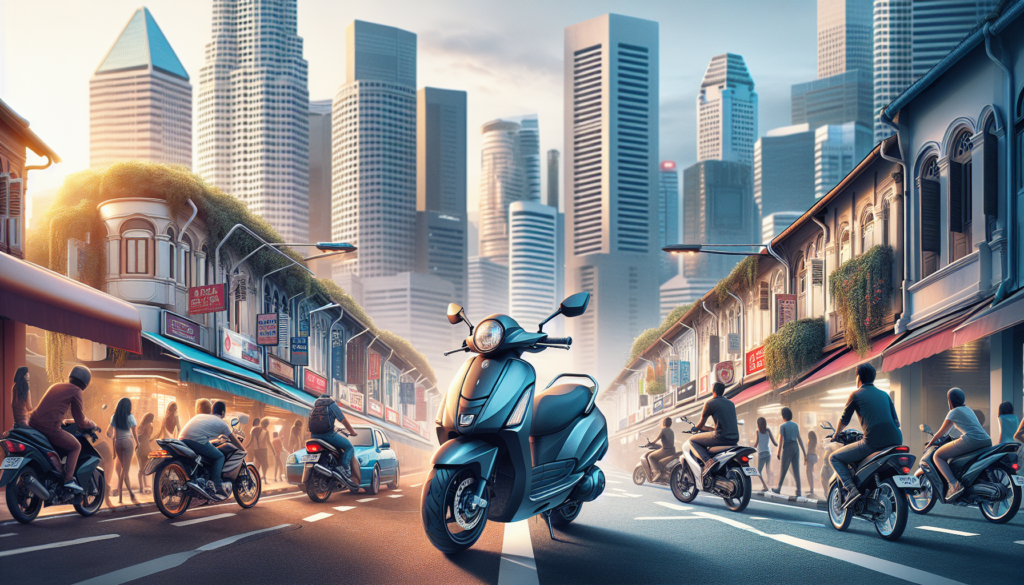
Scooter vs Naked Bike: Stuck in the downtown jam for the third time this week? You’re not alone. Many Singapore city commuters face the daily puzzle of beating gridlock while keeping transport affordable and convenient. Choosing between a scooter vs naked bike can make all the difference in your daily hustle. Whether you’re a student rushing to class, a professional zipping across the CBD, or just someone who wants an easier ride in the city, picking the right wheels matters more than you think.
Scooter vs Naked Bike: This article will compare scooters and naked bikes specifically for urban commuting in Singapore. We’ll break down their pros and cons, look at comfort, parking, costs, and how each handles local traffic. By the end, you’ll know which two-wheeler could ease your commute and why. Let’s dive right into the comparison.
Scooter vs Naked Bike: Which Is Better for Singapore City Commuters?
Scooter vs Naked Bike: When it comes to choosing between a scooter vs naked bike for navigating Singapore’s busy cityscape, the decision is both practical and personal. As Singapore’s streets grow ever more crowded and commuting via car becomes pricier, two-wheeler options are increasingly popular among city dwellers. The choice matters because it affects not just how easily you can weave through Orchard Road traffic or park at your nearest HDB, but also how comfortably you adapt to the daily grind and LTA guidelines.
For many Singaporean commuters—be it a first-time rider aiming for CDC Practical Test success or an experienced motorist looking to cut down travel times—the decision between a scooter and a naked bike boils down to a few key factors. These include ease of riding and learning (important for those new to motorcycling or switching from public transport), ability to handle tightly packed city roads, and performance options that match local conditions from peak-hour traffic to the occasional expressway dash.
Scooter vs Naked Bike: This article will walk you through a scooter vs naked bike comparison tailored for the Singapore context. We’ll assess how each type fares in beginner-friendliness, traffic navigation, performance specs such as typical engine sizes (scooters: 50–200cc, naked bikes: 150–500cc+), and what you can expect in terms of ergonomic comfort—like step-through design for scooters and versatile riding postures for naked bikes. Storage for your groceries or helmet, cost implications (from purchase price to insurance and resale), as well as maintenance habits relevant to Singapore’s climate and road conditions, also take centre stage.
Whether you’re in search of a stress-free commute along PCN paths or want nimble performance for multi-purpose riding, we’ll guide you through each point. By comparing these practical details, Singapore city riders can make a confident, well-informed choice that fits both their lifestyle and the unique needs of our urban environment.
Ease of Riding: Which Bike is More Beginner-Friendly in Singapore?
Scooter vs Naked Bike: For many new riders in Singapore, the question of ease of riding is crucial when deciding between a scooter vs naked bike. Scooters have long been favoured by beginners due to their automatic transmission. With no need to manage a manual gearbox or clutch, starting and stopping repeatedly in city traffic becomes intuitive—simply twist the throttle and go. Their lightweight frames allow even novice riders to handle tight U-turns or narrow HDB carparks effortlessly, which helps build confidence quickly.
In contrast, naked bikes feature a manual gearbox that demands more coordination. Riders must master clutch control, gear changes, and braking balance. While these skills are rewarding, the steeper learning curve may challenge those fresh from Singapore’s Class 2B licence training, where many start on automatics. For new commuters, this extra complexity could mean a longer period before feeling truly comfortable riding in busy city streets.
Scooter vs Naked Bike: Singapore’s structured learning pathway also plays a role. Most learners on the Class 2B licence often start with scooters during their lessons, as these align closely with CDC and BBDC training bikes. Many schools focus on automatics to reduce the barrier to entry. However, those looking for adventure or planning to eventually ride bigger bikes may appreciate how naked bikes help develop clutch and gear skills early on.
For daily urban use, the simple operation of scooters is a significant advantage, especially for those worried about stalling or lurching in traffic. They allow you to focus on your surroundings and navigation, which is essential on busy Singapore roads. If your priority is hassle-free commuting and getting comfortable quickly, scooters are usually the best choice. But for the budding enthusiast eager to enjoy more rider engagement and progress to larger bikes, the naked bike—once mastered—offers a satisfying path for skill development.
Quick Specs: Scooter vs Naked Bike at a Glance
| Specification | Scooter | Naked Bike |
|---|---|---|
| Engine Size | 50–200cc | 150–500cc+ |
| Transmission | Automatic (twist-and-go) | Manual (multi-gear with clutch) |
| Fuel Consumption (city riding) | Roughly 35–50 km/l | Roughly 20–35 km/l |
| Storage Capacity | Under-seat storage (fits helmet, small bags) | Minimal (may require add-on boxes) |
| Seat Height | Low (typically 760–780mm) | Medium to tall (around 790–830mm) |
| Price Range (SGD) | $4,000–$9,000 for entry to mid-range | $8,000–$20,000+ depending on engine and brand |
Scooter vs Naked Bike: When considering Scooter vs Naked Bike for Singapore city commuters, these specs can influence your decision greatly. Scooters are favourites for simple commuting due to their lightweight build, easy automatic transmission, and ample under-seat storage—which is handy if you need to park in HDBs or carry groceries. They’re often more economical both in price and daily fuel use, keeping total cost of ownership low.
Naked bikes, while more expensive upfront, offer higher engine capacities ideal for riders who may occasionally use expressways. Manual gearboxes demand more skill but provide greater control and acceleration. However, they usually lack built-in storage, so you may need aftermarket solutions for your daily essentials. The higher seat might suit taller riders but could be a drawback for shorter commuters or those making frequent stops.
Comparing these practical specs side-by-side is a powerful way to decide which fits your Singapore commute—not just in terms of performance, but also parking, storage, and ongoing costs. Choose the one that matches your routine, comfort, and budget best to get the most value and enjoyment from your ride in the city.
Urban Commuting: City Traffic, Lane Splitting, and Parking
Scooter vs Naked Bike: When it comes to urban commuting in Singapore, the scooter vs naked bike debate becomes especially relevant due to heavy city traffic, limited parking, and strict LTA rules. Scooters are highly favoured for stop-and-go scenarios in busy districts like Orchard and the CBD. Their lightweight build and automatic transmission make it easy to manoeuvre through congested lanes, allowing even beginners to confidently filter and take advantage of small gaps when traffic slows to a crawl. For city dwellers, the ease of weaving through urban congestion is a major plus, and with more compact profiles, finding parking—especially at HDB estates or crowded malls—is a breeze for most scooter models.
- Scooters shine in Singapore’s notorious rush-hour traffic, thanks to their agility and simple twist-and-go operation. This makes quick lane positioning and frequent stops near effortless, saving both time and effort over a longer commute.
- Lane splitting is a hot topic. While the narrower stance of scooters can tempt riders to filter between cars, remember that in Singapore, lane splitting is not officially legal. However, experienced scooter commuters often position themselves at the front of queues at traffic lights for quicker getaways, staying mindful of LTA regulations and general road courtesy.
Scooter vs Naked Bike: On the other hand, naked bikes bring their own set of strengths to Singapore’s urban landscape. With manual gearboxes and punchier engines (typically ranging from 150cc and up), naked bikes offer excellent acceleration, making them ideal for commuters who spend part of their journey on expressways like the PIE or CTE. However, their wider handlebars and greater weight can be a drawback in tight city lanes or crowded public carparks, sometimes making parking and low-speed manoeuvres more tedious. For experienced riders who prioritise speed and performance, though, naked bikes remain a strong contender, provided they are comfortable with more complex controls and possible traffic challenges.
Overall, when choosing between a scooter and a naked bike for daily city commuting, consider your regular routes, storage needs, and comfort with traffic regulations. Both have clear strengths, but scooters often win out for sheer urban practicality. Whichever you choose, focus on safe commuting, respectful lane behaviour, and compliance with LTA’s motorcycle guidelines to maximise your experience.
Comfort, Ergonomics & Storage: Which Fits City Life?
Scooter vs Naked Bike: When it comes to Scooter vs Naked Bike in Singapore city life, comfort and practicality play a huge role in daily rider satisfaction. Scooters are famed for their step-through design, which means easy mounting and dismounting—especially valuable when you’re wearing office attire or carrying a bag. On rainy days, the floorboard offers some shielding from splashes, helping riders arrive fresher at their HDB or office compared to the exposed posture of a naked bike.
Storage is a crucial consideration for urban commuters. Most scooters provide generous under-seat storage that fits a helmet, groceries, or even a laptop bag. This built-in convenience reduces reliance on add-on boxes or backpacks and fits perfectly with Singapore’s penchant for after-work grocery runs and errands. Naked bikes, with their sportier and stripped-down silhouette, typically lack under-seat storage and often require aftermarket solutions like tail bags or external boxes—less elegant, though more customisable for enthusiasts.
Scooter vs Naked Bike: Ergonomically, scooters offer a more upright and relaxed riding position, which suits short city hops and crowded peak-hour commutes. Their lighter weight and automatic transmission also make them easier to handle in tight mall parking or narrow HDB lots. Naked bikes have an upright, slightly forward-leaning stance that avid riders may prefer for road feel and control, especially on open expressways. However, they can feel less forgiving when it comes to carrying passengers or cargo, as seating and balance are more exposed and storage is limited.
For Singaporean city commuters, the everyday realities—occasional heavy rainfall, frequent shopping, bringing a passenger, or squeezing into minimal parking—tilt the scale towards scooters for sheer practicality. That said, riders looking for a more connected road experience and don’t mind sacrificing some storage might still prefer the naked bike’s ergonomics. In all, your comfort, lifestyle, and storage needs will be major factors in the Scooter vs Naked Bike debate—especially under Singapore’s urban conditions.
Cost of Ownership: Purchase, Maintenance, Insurance & Resale Value
Scooter vs Naked Bike: When comparing scooter vs naked bike ownership in Singapore, cost remains a crucial factor for many daily commuters. Initial purchase price is typically lower for scooters due to their smaller engine capacities and simpler mechanical parts. In Singapore, where COE and ARF heavily influence out-the-door prices, this can make scooters more accessible, especially for those watching their budget. Naked bikes, with larger engines and more performance-focused hardware, usually command higher upfront costs.
Insurance premiums also differ. For most entry-level scooters (50–200cc), insurance is generally less expensive because of lower risk profiles and cheaper replacement parts. Naked bikes (150–500cc+) may incur higher annual premiums, a factor worth considering for cost-conscious riders. Singapore’s mandatory insurance requirements further highlight the importance of choosing a bike that fits your long-term budget.
Scooter vs Naked Bike: On the maintenance front, scooters often shine with lower servicing frequency and cost. Their automatic transmissions mean fewer moving parts to service, and routine work such as oil changes and brake checks is generally less expensive at most local workshops. Spare parts for mass-market scooters are widely available, minimising downtime and costs. Naked bikes—with more complex gearboxes and performance components—might require costlier and more specialized servicing, impacting long-term expenses.
As for running costs, both fuel efficiency and parking fees come into play for Singaporeans. Scooters are usually more fuel-efficient in stop-and-go city traffic and can be parked easily in tight HDB or CBD spaces, reducing parking costs. Naked bikes, while capable of longer journeys, may consume more fuel and sometimes incur higher parking charges at certain locations due to their size.
Resale value is another consideration. Popular scooters often retain decent value due to high demand for city-friendly rides. While naked bikes can also offer good resale, they may be susceptible to greater depreciation depending on model desirability and market trends. Assessing scooter vs naked bike cost of ownership ensures you make a smart, wallet-friendly choice suited for Singapore’s urban landscape.
LTA Regulations & Singapore-Specific Concerns
Scooter vs Naked Bike: When considering scooter vs naked bike for city commuting in Singapore, understanding LTA regulations and urban lifestyle concerns is crucial. Singapore’s Land Transport Authority (LTA) imposes specific licensing requirements: scooters in the 50–200cc range usually fall under Class 2B, making them accessible for new riders who have just secured their basic motorcycle license. Naked bikes, with engine sizes often exceeding 150cc and reaching 500cc or more, may require a Class 2A or even Class 2 license, demanding more experience and training.
Parking is a real advantage for scooter riders, especially at HDB estates. Their compact size and lightweight design allow for easier maneuvering into tight motorbike lots, a valuable asset in densely packed heartland areas. Naked bikes, although still nimble by motorcycle standards, are bulkier and can be more cumbersome to park in limited spaces. When traveling on MRT, both vehicle types must be parked at designated motorcycle lots, as bringing them on trains is not permitted. This makes the convenience of finding a spot all the more important.
Scooter vs Naked Bike: A significant concern for daily commuters is protection against rain. Scooters typically offer better shield coverage at the front and can be easily fitted with accessories like leg shields or larger windshields, giving riders a bit more protection in sudden downpours—an important consideration given Singapore’s frequent showers. Naked bikes, with their open, minimalist design, provide minimal weather protection and often require additional gear for rainy rides.
As for affordability, CDC vouchers (where applicable) tend to be redeemable for certain classes of scooters, helping reduce the upfront cost for Singaporean buyers. This financial flexibility rarely extends to most naked bikes, making scooters potentially more attractive for price-conscious city riders.
In summary, for those focused on HDB parking ease, quick licensing, weather practicality, and cost-saving opportunities, scooters hold several regulatory and lifestyle advantages over naked bikes in Singapore urban environments.
Frequently Asked Questions
Are scooters allowed on PIE and other expressways in Singapore?
No, scooters with engine capacities under 200cc are typically not allowed on Singapore expressways including the PIE. Naked bikes, depending on their engine size, may be eligible, ensuring compliance with LTA regulations for expressway use.
Which is cheaper to insure in Singapore: a scooter or a naked bike?
Scooters generally offer lower insurance premiums compared to naked bikes, largely due to their smaller engine sizes and a perception of lower risk. This can be an important factor for city commuters weighing ongoing costs.
Can I use CDC vouchers to buy scooters in Singapore?
Currently, CDC Vouchers cannot be used to purchase scooters or motorcycles in Singapore. They are limited to use at participating supermarkets, hawker centres, and heartland merchants, not for vehicle purchases.
Where can I park a scooter versus a naked bike in HDB estates?
Both scooters and naked bikes require legal motorcycle parking spaces, which are widely available in HDB estates and public car parks. Neither type is permitted to be parked in non-designated areas; HDB lots do not differentiate between the two types.
Do scooters and naked bikes require different licences in Singapore?
Yes, the Singapore Class 2B licence allows you to ride scooters and motorcycles (including naked bikes) up to 200cc. For higher-capacity naked bikes (201cc and above), a Class 2A or Class 2 licence is needed, following LTA’s licensing requirements.
Our Verdict: Which Should Singapore City Riders Choose?
Scooter vs Naked Bike: When weighing up scooter vs naked bike for city commuting in Singapore, your ideal choice depends on your experience, budget, and daily travel patterns. Scooters stand out for their easy, clutch-free riding and superior manoeuvrability, making them an obvious pick for beginners, HDB dwellers seeking easy parking, or cost-savvy commuters. Their automatic transmission and lightweight build are purpose-built for Singapore’s crowded city traffic, and features like under-seat storage suit quick grocery runs or storing a helmet safely after parking. The typical scooter engine range (50–200cc) is more than sufficient for short hops, with impressive fuel savings valued by those mindful of running costs.
On the flip side, naked bikes attract riders who appreciate more power, speedy acceleration, and comfort on longer expressway commutes. With engine capacities more commonly between 150–500cc and above, they’re better suited for experienced riders who handle manual gearboxes confidently. While storage is minimal, the more upright and sporty riding posture offers greater comfort for extended journeys and versatility for exploring Singapore’s outskirts or riding north on the expressways. Riders who value strong resale prospects and are willing to service their bikes a bit more frequently may also find naked bikes appealing.
In summary: Choose a scooter if you’re a beginner, live centrally, or want fuss-free and low-cost mobility. Opt for a naked bike if you need extra power, plan longer commutes, or simply enjoy the engagement of riding a manual machine. Ultimately, your personal needs and riding confidence take top priority.
Ready to take the next step? Compare the latest models online, book a test ride at your nearest showroom, or read our buyer’s guides for an in-depth breakdown of your best options. Whether you choose a scooter or naked bike, you’ll be set up for efficient, enjoyable commutes across Singapore’s vibrant city streets.
We at Speedzone specialize in offering top-quality servicing for a variety of premium motorcycle brands. Whether you ride a Yamaha, Honda, KTM, Suzuki, Kawasaki, SYM, Aprilia, Piaggio, or Mutt Motorcycle, you can trust us to keep your ride running smoothly.
Book Your Service Today
Ready to give your motorcycle the care it deserves? Or just curious to know more? With our premium motorcycle accessories available catering to every motorbike models. Book your motorcycle servicing with us or drop by our showroom today and experience the difference of expert servicing tailored to your brand and friendly staffs!
